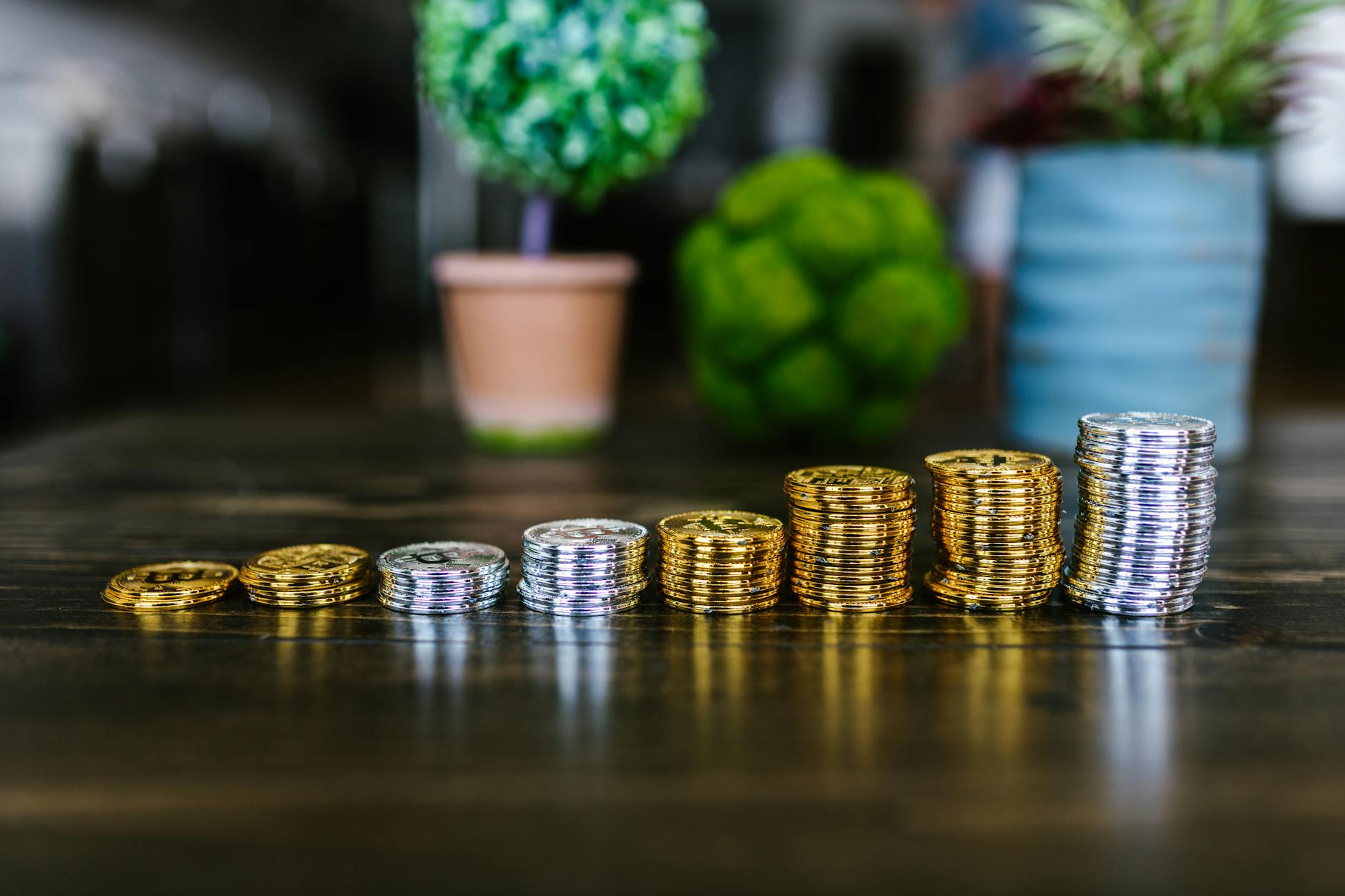

So, you think you’re ready to become a crypto king, huh? Awesome. That’s the spirit! But before you start dreaming of Lambos and private islands, let’s talk about the ugly side of the crypto universe: scams. Believe me, they’re out there, lurking in the shadows, waiting to rug-pull your hard-earned cash. This isn’t some fud-filled scare tactic, this is survival 101. Consider this your baptism by fire—welcome to the arena, bruv.
The Wild West of Crypto: Why Scams Thrive
The decentralized, unregulated nature of crypto is both its greatest strength and its biggest weakness. It fosters innovation and freedom but also provides fertile ground for fraudsters. Newcomers, especially, are easy targets. Think about it: massive hype, promises of life-changing wealth, and a language barrier of technical jargon. It’s like a perfect storm for deception. According to the Federal Trade Commission, in 2022, nearly $2.6 billion was lost to crypto scams. That’s a lot of lost tendies, folks!
One of the main reasons scams thrive is the speed at which the crypto market moves. You’ve got FOMO (Fear Of Missing Out) driving decisions, and people don’t take the time to think. They just blindly ape into whatever the cool kids are doing. The anonymity of the blockchain adds another layer of complexity. If your funds vanish, it’s often nearly impossible to trace the perpetrators. The crypto space is like the Wild West, and you better be packing heat – or at least, some serious due diligence skills.
Common Crypto Scams: Beware the Wolves in Sheep’s Clothing
Let’s get down to brass tacks: what kind of scams are we talking about? The bad guys are getting sophisticated, but some tactics remain the tried and true classics. Here’s a rundown:
1. Pump and Dumps: The Classic Deception
This is where a group of scammers pump up the price of a low-value coin with fake hype, often through social media or email marketing. They encourage you to buy in, then they dump their holdings, leaving you holding the bag as the price plummets. They get rich while you lose your shirt. Don’t be a bag holder, guys. Avoid coins that only exist to make money for the founders.
2. Phishing Attacks: Don’t Click That Link!
Phishing is a deceptive attempt to get sensitive information, such as usernames, passwords, and credit card details, by disguising as a trustworthy entity in an electronic communication. These scams use fake websites that look like legitimate exchanges or wallets. They’ll trick you into entering your private keys or seed phrases, which they’ll then use to steal your crypto. Always double-check website URLs and be wary of unsolicited emails or messages.
3. Fake ICOs and DeFi Projects: Too Good to Be True?
Initial Coin Offerings (ICOs) and Decentralized Finance (DeFi) projects can be a great way to discover the next moonshot, but they are also a playground for scammers. They’ll promise amazing returns with little risk, often with no real product or team behind them. Do your research and avoid anything that sounds too good to be true, because it probably is. If you’re going to put your money into a DeFi project, check the smart contract audits first. A solid audit can sometimes save you from a major loss.
4. Rug Pulls: The Ultimate Betrayal
This is the crypto equivalent of a bank robbery. The developers of a new token or project will create a lot of hype, attract investors, and then suddenly disappear, taking all the funds with them. This usually happens by removing liquidity from a trading pool. Look out for projects with anonymous teams or promises that are too good to be true. Remember, high risk equals high reward, but it also equals high potential for being utterly wrecked.
Due Diligence: Your Shield Against the Scammers
Okay, so how do you protect yourself? It’s all about due diligence. This is your defense against these digital predators. Here’s your checklist:
1. Research, Research, Research: Know Before You Ape
Before investing in any cryptocurrency or project, do your homework. Look at the team behind it. Are they doxxed (meaning their identities are public)? What’s their experience? Check their social media presence, their GitHub repositories, and their whitepaper. A well-written whitepaper that clearly outlines the project’s goals, technology, and roadmap is a good sign. Don’t be afraid to dig deep! You can find a lot of information on a project by checking their community on platforms like Reddit or Discord. See what everyone is saying before you decide to invest your hard-earned cash.
2. Check the Whitepaper: The Devil is in the Details
A whitepaper is a detailed document that outlines the project’s goals, technology, and roadmap. Scrutinize it for red flags. Does the project have a clear use case? Is the technology sound? Are the tokenomics reasonable? If you don’t understand something, don’t be afraid to ask questions. There’s a lot of jargon, but it’s important to understand the basics. Check out the project’s website to make sure it’s up to date and looks professional. If it’s half-baked, that’s not a great sign. Make sure to always double-check the project’s website or other official sources to protect yourself from any phishing attempts.
3. Analyze the Tokenomics: Don’t Get Screwed by the Supply
Tokenomics refer to the economics of a cryptocurrency, including its supply, distribution, and utility. A red flag is a project with a massive token supply and little utility. Look at the circulating supply and the total supply. How will the tokens be distributed? What is the vesting schedule for the team and advisors? Are there any potential sell-offs that could crash the price? Be sure to check Investopedia for an in-depth explanation of these concepts. Don’t get caught up in the hype and look at the numbers. Think like a trader.
4. Examine the Community: Is the Hype Real?
A strong and active community can be a good sign. But be careful. Scammers can also create fake communities to generate hype. Look for genuine engagement, thoughtful discussions, and transparency from the project team. Avoid projects with a bunch of bot accounts. Check the project’s social media channels and see if there are frequent updates and communication from the team. See if the community is being updated on any red flags or risks. Be sure to check the Securities and Exchange Commission for recent fraud cases. That might just save you!
Final Thoughts: Stay Sharp, Stay Safe, Stay Crypto
Crypto is a wild ride, and the scammers are always looking for new victims. But with a bit of vigilance and due diligence, you can protect yourself. Remember: if it sounds too good to be true, it probably is. Always be skeptical, and always do your research. Don’t be afraid to miss out on a “moonshot” if something feels wrong. Your financial future is worth it. Stay frosty, stay safe, and keep trading. And remember… the next dip is just a buying opportunity.
And when you’re done researching and trading, and you need a break, you’ll need something to fill up with the finest dark roast coffee the world has to offer, preferably while gazing at the ticker tape. So you might need a fun mug.