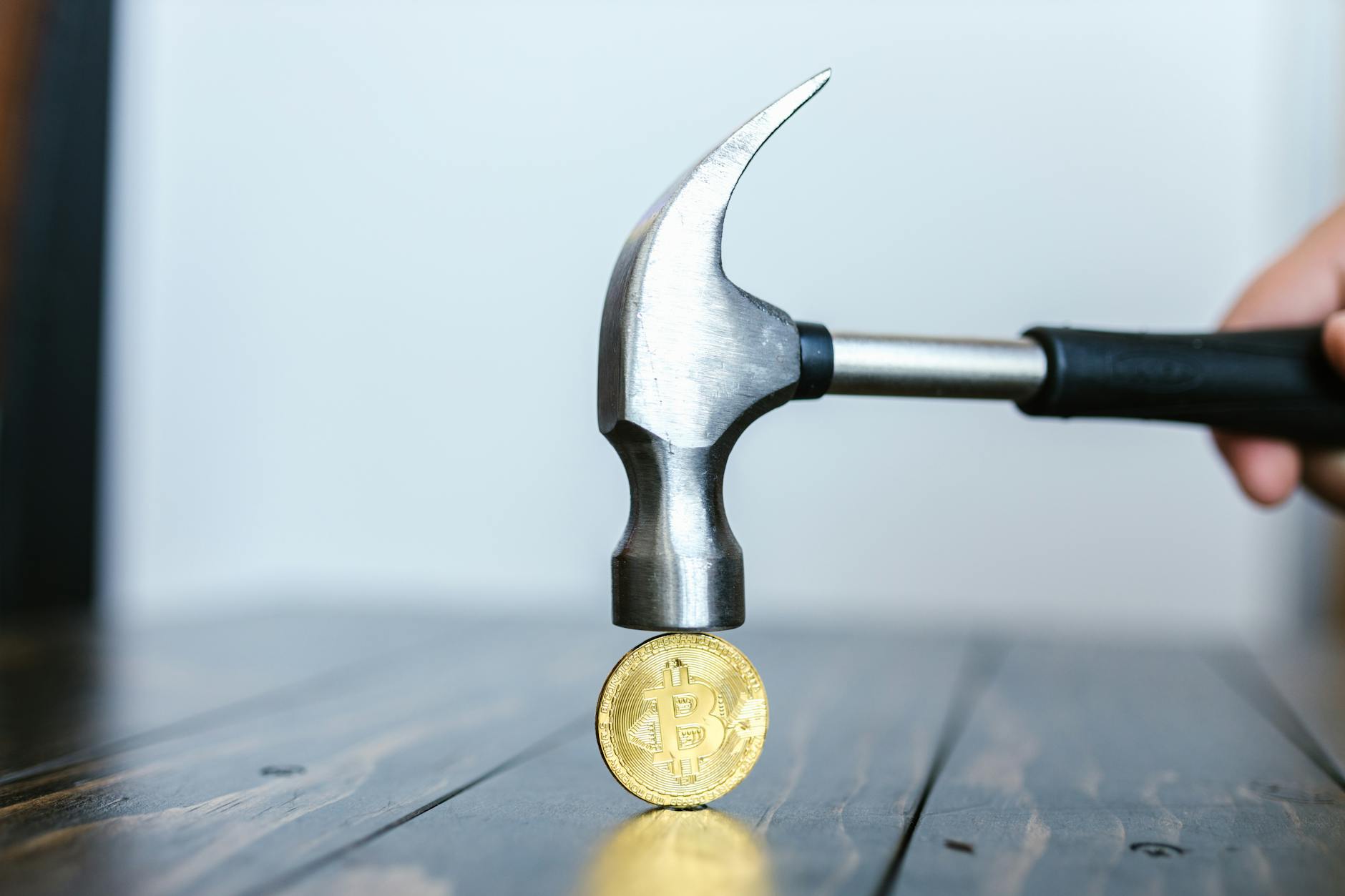

Cryptocurrency is a battlefield. And Bitcoin? Well, it’s the 800-pound gorilla everyone sees. But what about the shadow war being waged in the altcoin trenches? That’s what we’re here to dissect. Bitcoin’s dominance is undeniable, but the crypto space is a vast, ever-expanding galaxy. Think of it as a brutal metal festival—sure, you know the headliners, but the real hidden gems are scattered across the side stages.
The Bitcoin Bias: Why We Need to Look Beyond the Obvious
Let’s be clear: Bitcoin is the O.G. It pioneered the space, and it’s got staying power. It’s the Slayer of crypto, if you will. But the relentless focus on Bitcoin often blinds people to the potential of other cryptos, the Venom and Exodus of the digital realm. The truth is, a diversified portfolio is crucial, even in the most volatile of markets. Ignoring altcoins is like only listening to one band your whole life. You’re missing out on a whole universe of sound.
The problem is, much of the mainstream media and even a lot of crypto “experts” are Bitcoin-obsessed. It’s easy money to pump and dump on a known quantity. They gloss over the intricacies of other cryptos. They often lack the depth to understand the nuanced functionalities, the unique use cases, and the inherent risks associated with different altcoins. They want you to stay safe in the mosh pit with the big guy. But sometimes, it’s those smaller stages where you find the chaos and the innovation.
Ethereum: The Decentralized Powerhouse
Ethereum, the Iron Maiden of the crypto world. It’s a key player, often referred to as the second-largest cryptocurrency by market capitalization. Unlike Bitcoin, Ethereum isn’t just a store of value; it’s a platform for building decentralized applications (dApps). Its smart contract technology allows for automated agreements and the creation of NFTs (non-fungible tokens), opening a whole new dimension of possibilities.
Ethereum’s focus on decentralized finance (DeFi) is especially intriguing. DeFi aims to recreate traditional financial systems (lending, borrowing, trading) using blockchain technology, without the need for intermediaries like banks. DeFi could revolutionize the way we manage money, but it’s a volatile and complex space. Investopedia gives a good overview of the basics, so you can do your own due diligence before jumping into the deep end.
Ethereum’s transition to a Proof-of-Stake (PoS) consensus mechanism, known as “The Merge,” was a massive undertaking. This move from the energy-intensive Proof-of-Work (PoW) system has reduced the network’s energy consumption and improved its scalability. The Merge also opened up avenues for staking, allowing users to earn rewards for validating transactions.
Beyond the Giants: Exploring the Altcoin Arsenal
The altcoin landscape is incredibly diverse, from stablecoins pegged to fiat currencies to privacy coins and tokens focused on specific industries. It’s a bit like a metal festival: There’s the big stage for the headliners, but some of the best bands you discover are buried on the side stages. Here are a few examples:
- Ripple (XRP): Originally designed to facilitate cross-border payments, it’s a favorite of financial institutions.
- Cardano (ADA): Known for its scientific philosophy and rigorous research-driven approach to development.
- Solana (SOL): A high-performance blockchain, designed for fast transaction speeds and low fees.
- Polkadot (DOT): Aiming to be the internet of blockchains, enabling different blockchains to interoperate.
Each of these coins has its own specific features, strengths, and weaknesses. And, just like bands, some are going to be more popular and successful than others. You need to do your homework and find the ones that resonate with you, the ones you believe in. The important thing is to do your research, diversify, and never invest more than you can afford to lose.
The Risks: Navigating the Crypto Minefield
Let’s be clear: the crypto world is still the Wild West. Volatility is the name of the game. Scams, rug pulls, and regulatory uncertainty abound. Crypto is an unforgiving mistress. There are no guarantees.
Be skeptical. Question everything. Verify, verify, verify. The potential for high returns is real, but so is the risk of losing everything. Always remember to do your own research, and never invest based solely on hype. Crypto, more than most markets, attracts a lot of charlatans and snake-oil salesmen.
Understanding the risks is crucial. Read whitepapers. Research the development teams. Follow the projects’ progress. Be aware of the regulatory landscape in your region. And remember, diversification is your best defense. Don’t put all your eggs in one digital basket. And also remember the power of the market is far greater than one man. This is a battle you face every day.
Regulatory bodies, such as the Securities and Exchange Commission (SEC), are continuously working to define and regulate the crypto space. Keeping up with these developments is important. Understanding the potential impact of regulations on different cryptocurrencies is crucial for making informed investment decisions. This is where the real knowledge is, in the information.
Conclusion: Embrace the Chaos, Trade the Future
The crypto landscape beyond Bitcoin is a complex and ever-evolving territory. From Ethereum’s platform capabilities to the innovative projects of the altcoin world, there is so much to learn and explore. The potential for innovation and growth is immense, but so is the risk. The goal is simple, to learn the market and survive to fight another day. Embrace the chaos, do your research, and trade smart. Stay hungry, stay foolish, and stay metal.
And when you’re done studying the market and feeling the need to recharge, grab a proper mug. A **coffee mug for goths** would do the trick. You deserve it.